
Leading Products for Sunroom Installations to Transform Your Home
Find out which products are favored by homeowners for creating a bright, inviting, and functional sunroom environment.
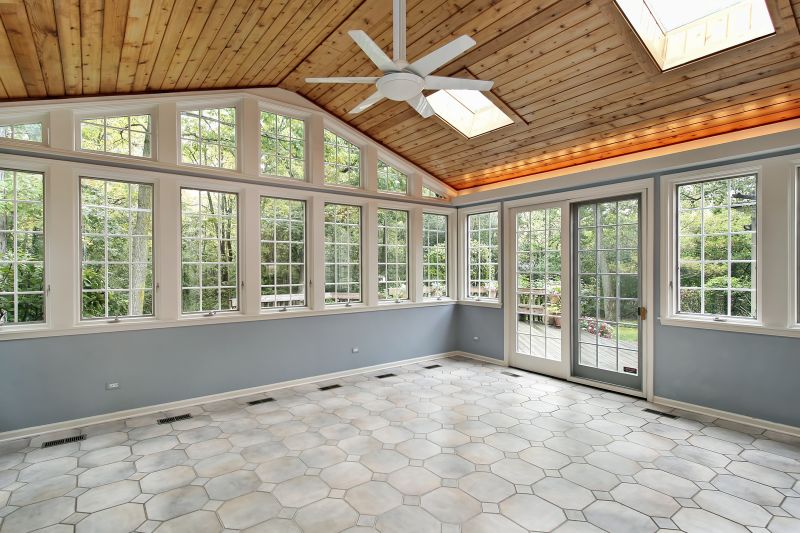 A sunroom can serve as a versatile extension of a home, offering a bright, inviting space to enjoy natural light while remaining sheltered from the elements. When selecting products for sunroom installations, it is important to consider durability, aesthetic appeal, and compatibility with existing structures. Properly chosen windows, doors, and supporting elements can enhance both the functionality and visual appeal of the space, creating a seamless transition between indoor comfort and outdoor views.
Top Overall Option
Versatile Sunroom Framing System
A comprehensive framing system designed for durability and aesthetic flexibility, suitable for various architectural styles. It offers easy installation, low maintenance, and compatibility with multiple glazing options, making it a reliable choice for creating a bright, inviting sunroom. This system provides a solid foundation for a customized space that can be enjoyed year-round.
Types of Products For Sunroom Installations
Aluminum Window Frames
Lightweight and corrosion-resistant frames that provide a sleek look and long-lasting performance.
Vinyl Window Panels
Affordable and low-maintenance options that offer good insulation and weather resistance.
Wooden Support Beams
Traditional aesthetic with natural warmth, requiring regular maintenance for longevity.
Tempered Glass Panes
Strong, shatter-resistant glass that maximizes natural light while providing safety and insulation.
Polycarbonate Panels
Durable, lightweight panels that offer UV protection and impact resistance.
Weatherstripping Kits
Sealing solutions that help prevent drafts and water infiltration around windows and doors.
Sealing Tape and Caulks
Essential for waterproofing and sealing joints in the sunroom structure.
Drainage Systems
Components designed to channel water away from the sunroom foundation, preventing leaks and damage.
Insulation Materials
Products such as foam boards or spray foam that improve thermal performance for year-round comfort.
HVAC Ventilation Options
Ventilation systems and fans that help regulate temperature and air quality inside the sunroom.
Sliding Glass Doors
Space-efficient doors that provide easy access and unobstructed views.
French Doors
Elegant door options that add aesthetic appeal and functionality.
Roofing Panels
Materials designed for sunroom roofs, balancing light transmission with weather protection.
Skylights
Additional windows installed in the roof to increase natural light and ventilation.
Support Columns
Structural elements that provide stability and support for larger sunroom spans.
Decorative Finishes
Trim, molding, and finishing touches to enhance the aesthetic of the sunroom interior.
Lighting Fixtures
Overhead and accent lighting options to create a welcoming atmosphere after sunset.
Popular Choices
Widely used for maximizing light while minimizing heat transfer.
Preferred for their ease of access and unobstructed views.
Popular for their low maintenance and durability.
Chosen for their impact resistance and UV protection.
Commonly used to ensure a tight seal around joints and openings.
Frequently selected for climate control and energy savings.
Popular for increasing natural daylight and ventilation.
Favored for their strength and minimal maintenance.
Often used to enhance interior aesthetics.
Commonly installed to improve air circulation inside sunrooms.
Popular for protecting structures from water damage.
Selected for their adaptability to various sunroom layouts.
Frequently chosen for energy-efficient illumination.
A common feature for easy outdoor access.
Popular for sealing gaps and joints effectively.
Used to promote airflow and reduce heat buildup.
Essential for securing structural components.
Frequently added for light control and privacy.
The foundation of a successful sunroom setup often begins with high-quality framing materials that provide stability and support. These are typically made from aluminum, vinyl, or wood, each offering different benefits in terms of maintenance and appearance. Complementing the framing, glazing options such as tempered glass or polycarbonate panels can influence the amount of light filtration and insulation, impacting energy efficiency and comfort.
In addition to structural components, accessories like weatherstripping, sealing tapes, and drainage systems are crucial for preventing leaks and ensuring longevity. If the sunroom is meant to be a year-round space, insulation and heating options should also be considered to maintain a comfortable environment regardless of the season. Thoughtful selection of these products can help create a functional, attractive, and durable sunroom that enhances your home’s value and enjoyment.
Overall, choosing the right products for a sunroom installation involves balancing aesthetic preferences with practical considerations such as climate, maintenance, and budget. Consulting with professionals or experienced suppliers can aid in making informed decisions, ensuring that each component contributes to a cohesive and resilient structure tailored to your specific needs in Akron, OH.
Key Buying Considerations
- Climate suitability and insulation needs for year-round comfort.
- Compatibility of materials with existing home architecture.
- Durability and resistance to weather elements specific to Akron, OH.
- Ease of installation and availability of professional services.
- Maintenance requirements for different materials and components.
- Energy efficiency features to optimize indoor temperature control.
- Aesthetic preferences to match your home's style.
- Budget constraints and cost-effectiveness of product options.
- Sealing and waterproofing capabilities to prevent leaks.
- Compatibility with existing structural elements and foundation.
- Availability of replacement parts and accessories.
- Ease of access and operation for doors and windows.
- Potential for future upgrades or modifications.
- Environmental factors such as UV exposure and impact resistance.
- Compliance with local building codes and regulations.